Photography in Wayanad: Best Spots for Sunrise and Mist Shots
The mist hadn’t lifted yet, clinging to the valleys like a damp cloth when I set out this morning. It was barely 5:00 AM, the kind of hour most sensible people are still in bed. But for anyone serious about Wayanad photography, especially for those elusive sunrise and mist shots, this is when your day truly begins. You need to be ready, geared up, and at your chosen spot well before the first hint of light.
My bag was heavy with the usual kit – two camera bodies, a wide-angle for those expansive landscapes, a telephoto for compressing the layers of mist, and, critically, a sturdy tripod. Wayanad mornings are cold, often damp. A good jacket and waterproof cover for your camera are not optional; they are essential. Your hands will get cold, so gloves aren’t a bad idea either. More importantly, cold drains batteries fast, so always carry spares. It’s a waste of a good trip if your camera dies just as the sun breaks through.
Chasing the First Light at Lakkidi View Point
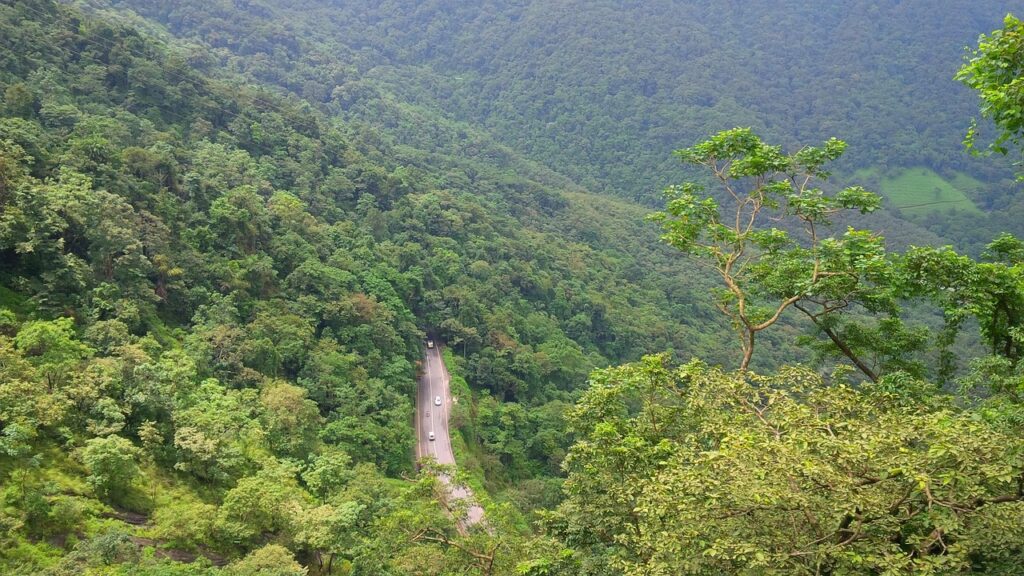
Lakkidi View Point is a classic for a reason, but you have to know how to work it. I drove up the Ghat road, taking the hairpin bends slowly. This road gets busy, even early. If you’re planning to stop, pick your spot carefully. There are small pull-offs, but they fill up fast. Get there by 5:30 AM at the latest. The view opens up dramatically, a sweeping panorama of the valleys below. When the mist is thick, it feels like you’re on an island, the world disappearing beneath you.
The trick here isn’t just the sunrise itself, but how the light interacts with the mist. As the sun begins to climb, around 6:15 AM to 6:30 AM depending on the season, it paints the fog in hues of orange and pink. You’ll see layers upon layers of hills, some shrouded, some slowly emerging. A wide-angle lens works well here to capture the scale. Don’t stand too close to the edge; the drops are significant, and in the low light or mist, it’s easy to misjudge. Keep an eye on traffic, too. This isn’t a parking lot; it’s a working road.
Beyond Chembra: The Mist of Meppadi
Everyone talks about Chembra Peak, but the trek to the heart-shaped lake is restricted now, and getting up for sunrise is not a practical option. However, the areas *around* Chembra, especially near Meppadi, offer incredible opportunities for mist and sunrise photography. I often drive towards Meppadi and then take one of the smaller, winding estate roads that climb higher into the hills. You won’t get a specific “viewpoint” like Lakkidi, but the advantage is fewer crowds and more natural, untouched scenes.
These roads wind through tea and coffee plantations. The mist often settles deep in the valleys between the rolling hills of green. As the sun rises, the light filters through the gaps in the hills, creating dramatic shafts. You might catch glimpses of workers heading to the estates, adding a human element. Be respectful, ask permission if you want to include people in your shots. Drive slowly on these estate roads; they can be narrow, and you might encounter local vehicles or even some wildlife. Keep your distance from any wild animals; no photograph is worth risking your safety.
Reflections and Reservoir Mist at Banasura Sagar Dam
For a different kind of mist and sunrise shot, the Banasura Sagar Dam area is excellent. It’s a man-made reservoir, but the scale and the surrounding hills make it incredibly scenic. I aim to be there around 6:00 AM. The dam itself usually opens later, but you can find vantage points along the approach roads or from the nearby resort areas that offer clear views over the water.
The still waters of the reservoir act as a giant mirror, reflecting the sky and the mist that often forms over the surface. On a calm morning, you can get stunning reflection shots of the sunrise colours. If there’s a light breeze, the mist will drift beautifully. A polarizing filter can help cut glare from the water if the sun is already up. Be mindful of the early morning chill by the water; it can be more pronounced here. And always, *always* secure your gear, especially near the water’s edge. A dropped lens in the reservoir is a permanent loss.
Plantation Pathways and Pookode Lake’s Charm
Any stretch of high-altitude tea plantations is a treasure trove for mist and sunrise. The roads winding through these estates, like those near Vythiri or even further up past Kalpetta towards Muthanga, often present stunning vistas. The best time for lushness is post-monsoon, but for the densest mist, the winter mornings from November to February are ideal. Just remember, these are private properties and working estates. Don’t trespass or disturb the workers. A simple wide shot from the roadside is often more than enough.
Pookode Lake, while usually thought of as a daytime spot, takes on a mystical quality in the early morning. Before the crowds arrive and the pedal boats start, the lake is incredibly still. Mist often rises off the cool water, especially in colder months. The surrounding trees, reflected in the calm surface, add to the scene. You might not get a dramatic “sunrise over the horizon” shot here, but rather a serene, ethereal image of mist, reflections, and quiet nature. It’s a peaceful spot for a different kind of Wayanad morning photograph.
Remember, patience is key. Wayanad weather can be unpredictable. You might wake up expecting mist and get clear skies, or vice-versa. But the reward for those early starts and careful planning is unparalleled. The light here changes rapidly, so be prepared to adjust your settings quickly. And while chasing the perfect shot, never compromise on your safety or disrespect the natural beauty and local way of life. Always check the weather forecast the night before, charge all your batteries, and dress in layers. A hot flask of coffee or tea for those early morning waits isn’t a bad idea either.
Plan your Wayanad stay with wayanadinfo.com – real rooms, real adventures, one simple search.
Image by: Ink Spreader\nhttps://www.pexels.com/@ink-spreader-292689809