Chembra Peak Unlocked: Dreaming of a Solo Ascent? Let’s Talk Permits, Guides, and Real Talk
Alright, so you’ve seen the photos, right? That majestic peak, often shrouded in a mystical mist, and then, boom, a heart-shaped lake staring back at you from the top. That’s Chembra Peak for ya, Wayanad’s highest point, and a magnet for anyone with an itch for adventure and a good view.
I get it. The idea of conquering it solo, just you and the mountain, sounds like something out of a movie. Pure, unadulterated freedom. But let’s be real for a minute. While Wayanad is all about that serene, natural vibe, Chembra Peak comes with a few friendly caveats. Think of it less as a free-for-all wilderness and more as a spectacular, well-managed natural wonder. And that management? It’s there for a reason, folks.
The Solo Dream vs. Reality Check
When I first eyed Chembra, I pictured myself striding up, backpack light, mind clear. The ultimate escape. And in many ways, it is an escape, but not quite the lone wolf expedition you might imagine. The forest department here has some rules in place, and honestly, they’re for our own good – safety, conservation, all that jazz.
The biggest one? You can’t actually trek up Chembra Peak completely solo. Nope, not even for seasoned backpackers like yours truly. Instead, you’ll be part of a guided group. Before you groan, hear me out. It’s not a massive, noisy tour group. They arrange smaller batches, and a local guide accompanies you. And trust me, these guides? They know the trails like the back of their hand, pointing out flora, fauna, and the best spots for a breather (or a selfie, let’s be honest).
Cracking the Chembra Peak Permit Code
So, how do you even get on one of these guided treks? The golden ticket, my friends, is the Chembra Peak permit. You absolutely cannot just show up and expect to start climbing. This isn’t some back-alley hike; it’s a regulated natural park.
The permits are issued by the Meppadi Forest Department. Your best bet is to head to the entry point, usually in the morning, and get your permit there. They operate on a first-come, first-served basis, and there’s a limit to how many groups they send up each day. My advice? Get there early, especially if you’re visiting during peak season or a long weekend. Seriously, set that alarm clock.
A single permit usually covers a group, not individual trekkers. This means you’ll pay a lump sum for the group, which typically includes the guide fee. If you’re truly solo, you might be clubbed with other small groups or individuals to form a viable unit. It’s a neat way to meet fellow travelers, actually, and split the cost a bit. Resourceful, right?
What Does a Permit Get You?
The permit grants you access to the trail, up to the famed Hridaya Saras, or ‘Heart Lake.’ This is where most tourists trek to, and for good reason – the view is spectacular, and the lake itself is truly unique. You can’t go beyond the lake, and believe me, attempting to do so is a bad idea. The terrain gets much tougher, and the forest department takes conservation seriously up there.
The cost? It’s pretty reasonable for the experience. Expect a few hundred rupees for the group permit, plus a nominal camera fee if you’re lugging a DSLR (phone cameras are usually free). It’s a small price to pay for such a stunning natural wonder and the peace of mind that comes with a guided, safe trek.
Safety First, Even When You’re Feeling Invincible
Okay, Vivek’s safety sermon incoming! Even with a guide, you’re still trekking a mountain. And mountains, as beautiful as they are, demand respect. Here’s what you need to remember:
- Footwear: No flip-flops, please! Seriously. Good trekking shoes or sturdy sports shoes with decent grip are essential. The path can be slippery, especially if it’s rained recently.
- Hydration: Carry plenty of water. There are no shops on the way up, and you’ll be sweating. A liter or two per person is a good start.
- Snacks: Energy bars, fruits, nuts – something to keep you going. You don’t want to be hangry halfway up.
- Weather Gear: Wayanad weather can be unpredictable. A light raincoat or a waterproof jacket is a smart move. A cap or hat for sun protection is also a good idea.
- Basic First Aid: A small kit with band-aids, antiseptic wipes, and any personal medications. Your guide will have some, but it’s always good to be self-sufficient.
- Leave No Trace: This is huge. Whatever you carry in, you carry out. Don’t litter. Respect the environment.
The trek isn’t overly strenuous for someone with average fitness, but it’s a steady climb. Pace yourself, enjoy the views, and don’t push it. It’s not a race; it’s an experience.
The Payoff: Why Chembra is Still a Must-Do
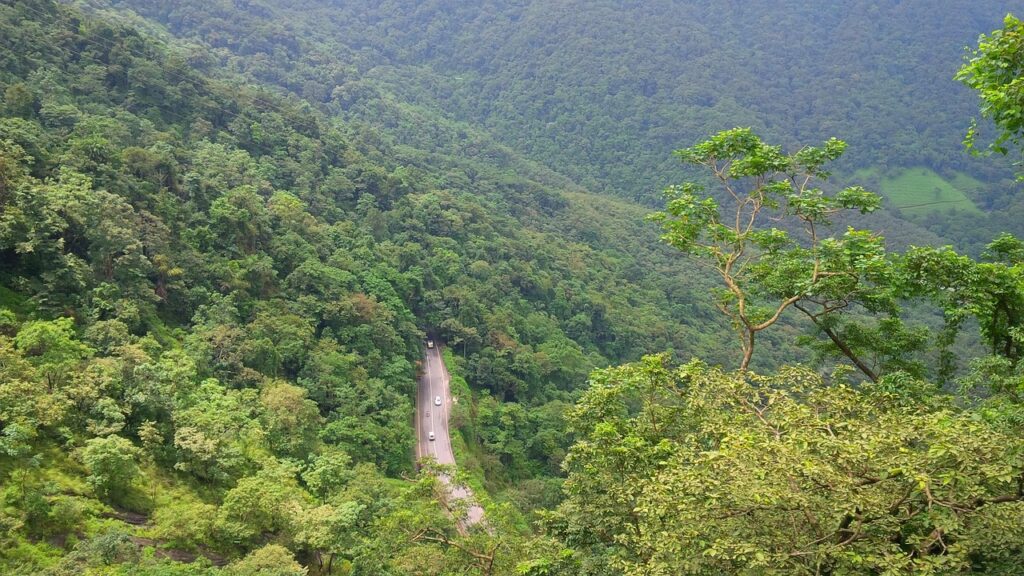
Despite the rules and the permits, Chembra Peak remains one of Wayanad’s absolute highlights. The trek itself, winding through tea plantations and dense shola forests, is invigorating. The air is crisp, the views are expansive, and the tranquility is a much-needed balm for the soul.
And when you finally reach the Heart Lake? It’s just as captivating as the photos suggest. Sitting there, looking out over the panoramic vistas of Wayanad’s rolling hills, you realize why all the regulations are in place. It’s about preserving this magic, ensuring everyone gets to experience it safely, and keeping it pristine for generations to come. It’s an adventure, yes, but also a privilege.
So, while your solo ascent might turn into a small group adventure, the spirit of exploration and the reward of those breathtaking views remain absolutely undiluted. Trust me, it’s worth every step, every early alarm, and every rupee for that Chembra Peak permit. You’ll come back with incredible photos, stories, and a deep appreciation for Wayanad’s natural beauty.
Summary
Chembra Peak offers an unforgettable trekking experience, but it’s crucial to understand the rules. Solo treks to the summit are not permitted; instead, you’ll join a guided group. Securing your Chembra Peak permit from the Meppadi Forest Department early in the day is essential, as access is regulated. Remember to pack essentials like good shoes, plenty of water, and weather-appropriate gear, and always practice ‘leave no trace’ principles. The trek to Hridaya Saras (Heart Lake) is a moderately challenging climb that culminates in breathtaking views, making all the planning and effort truly worthwhile.
Plan your Wayanad stay with wayanadinfo.com – real rooms, real adventures, one simple search.
Chembra Peak Unlocked: Dreaming of a Solo Ascent? Let’s Talk Permits, Guides, and Real Talk
Alright, so you’ve seen the photos, right? That majestic peak, often shrouded in a mystical mist, and then, boom, a heart-shaped lake staring back at you from the top. That’s Chembra Peak for ya, Wayanad’s highest point, and a magnet for anyone with an itch for adventure and a good view.
I get it. The idea of conquering it solo, just you and the mountain, sounds like something out of a movie. Pure, unadulterated freedom. But let’s be real for a minute. While Wayanad is all about that serene, natural vibe, Chembra Peak comes with a few friendly caveats. Think of it less as a free-for-all wilderness and more as a spectacular, well-managed natural wonder. And that management? It’s there for our own good, folks.
The Solo Dream vs. Reality Check
When I first eyed Chembra, I pictured myself striding up, backpack light, mind clear. The ultimate escape. And in many ways, it is an escape, but not quite the lone wolf expedition you might imagine. The forest department here has some rules in place, and honestly, they’re for our safety, for conservation, all that jazz.
The biggest one? You can’t actually trek up Chembra Peak completely solo. Nope, not even for seasoned backpackers like yours truly. Instead, you’ll be part of a guided group. Before you groan, hear me out. It’s not a massive, noisy tour group. They arrange smaller batches, and a local guide accompanies you. And trust me, these guides? They know the trails like the back of their hand, pointing out flora, fauna, and the best spots for a breather (or a selfie, let’s be honest).
Cracking the Chembra Peak Permit Code
So, how do you even get on one of these guided treks? The golden ticket, my friends, is the Chembra Peak permit. You absolutely cannot just show up and expect to start climbing. This isn’t some back-alley hike; it’s a regulated natural park.
The permits are issued by the Meppadi Forest Department. Your best bet is to head to the entry point, usually in the morning, and get your permit there. They operate on a first-come, first-served basis, and there’s a limit to how many groups they send up each day. My advice? Get there early, especially if you’re visiting during peak season or a long weekend. Seriously, set that alarm clock.
A single permit usually covers a group, not individual trekkers. This means you’ll pay a lump sum for the group, which typically includes the guide fee. If you’re truly solo, you might be clubbed with other small groups or individuals to form a viable unit. It’s a neat way to meet fellow travelers, actually, and split the cost a bit. Resourceful, right?
What Does a Permit Get You?
The permit grants you access to the trail, up to the famed Hridaya Saras, or ‘Heart Lake.’ This is where most tourists trek to, and for good reason – the view is spectacular, and the lake itself is truly unique. You can’t go beyond the lake, and believe me, attempting to do so is a bad idea. The terrain gets much tougher, and the forest department takes conservation seriously up there.
The cost? It’s pretty reasonable for the experience. Expect a few hundred rupees for the group permit, plus a nominal camera fee if you’re lugging a DSLR (phone cameras are usually free). It’s a small price to pay for such a stunning natural wonder and the peace of mind that comes with a guided, safe trek.
Safety First, Even When You’re Feeling Invincible
Okay, Vivek’s safety sermon incoming! Even with a guide, you’re still trekking a mountain. And mountains, as beautiful as they are, demand respect. Here’s what you need to remember:
- Footwear: No flip-flops, please! Seriously. Good trekking shoes or sturdy sports shoes with decent grip are essential. The path can be slippery, especially if it’s rained recently.
- Hydration: Carry plenty of water. There are no shops on the way up, and you’ll be sweating. A liter or two per person is a good start.
- Snacks: Energy bars, fruits, nuts – something to keep you going. You don’t want to be hangry halfway up.
- Weather Gear: Wayanad weather can be unpredictable. A light raincoat or a waterproof jacket is a smart move. A cap or hat for sun protection is also a good idea.
- Basic First Aid: A small kit with band-aids, antiseptic wipes, and any personal medications. Your guide will have some, but it’s always good to be self-sufficient.
- Leave No Trace: This is huge. Whatever you carry in, you carry out. Don’t litter. Respect the environment.
The trek isn’t overly strenuous for someone with average fitness, but it’s a steady climb. Pace yourself, enjoy the views, and don’t push it. It’s not a race; it’s an experience.
The Payoff: Why Chembra is Still a Must-Do
Despite the rules and the permits, Chembra Peak remains one of Wayanad’s absolute highlights. The trek itself, winding through tea plantations and dense shola forests, is invigorating. The air is crisp, the views are expansive, and the tranquility is a much-needed balm for the soul.
And when you finally reach the Heart Lake? It’s just as captivating as the photos suggest. Sitting there, looking out over the panoramic vistas of Wayanad’s rolling hills, you realize why all the regulations are in place. It’s about preserving this magic, ensuring everyone gets to experience it safely, and keeping it pristine for generations to come. It’s an adventure, yes, but also a privilege.
So, while your solo ascent might turn into a small group adventure, the spirit of exploration and the reward of those breathtaking views remain absolutely undiluted. Trust me, it’s worth every step, every early alarm, and every rupee for that Chembra Peak permit. You’ll come back with incredible photos, stories, and a deep appreciation for Wayanad’s natural beauty.
Summary
Chembra Peak offers an unforgettable trekking experience, but it’s crucial to understand the rules. Solo treks to the summit are not permitted; instead, you’ll join a guided group. Securing your Chembra Peak permit from the Meppadi Forest Department early in the day is essential, as access is regulated. Remember to pack essentials like good shoes, plenty of water, and weather-appropriate gear, and always practice ‘leave no trace’ principles. The trek to Hridaya Saras (Heart Lake) is a moderately challenging climb that culminates in breathtaking views, making all the planning and effort truly worthwhile.
Plan your Wayanad stay with wayanadinfo.com – real rooms, real adventures, one simple search.
Image by: Erik Mclean\nhttps://www.pexels.com/@introspectivedsgn