Wayanad’s Monsoon Magic: Don’t Let Tiny Hitchhikers Spoil the Fun
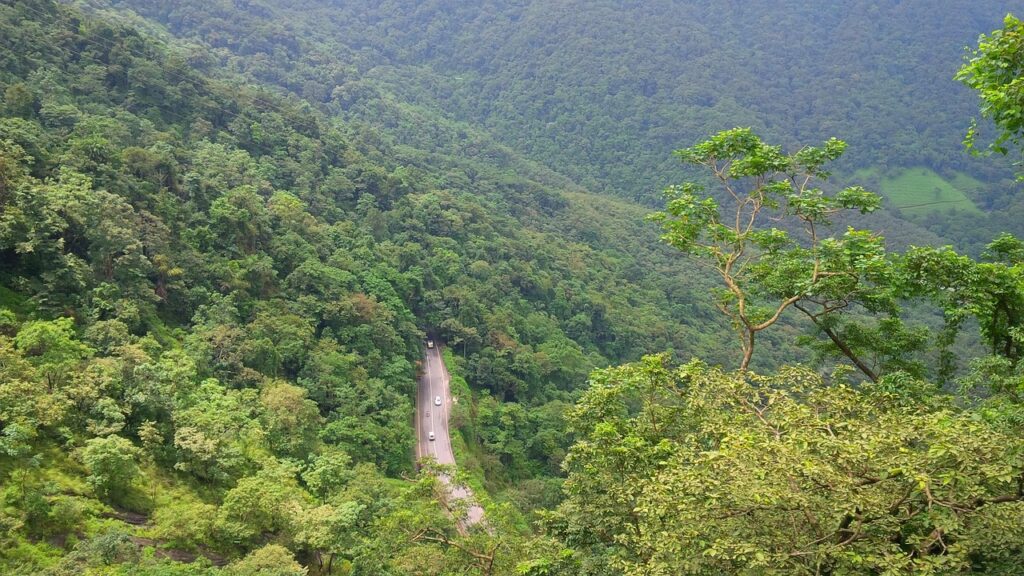
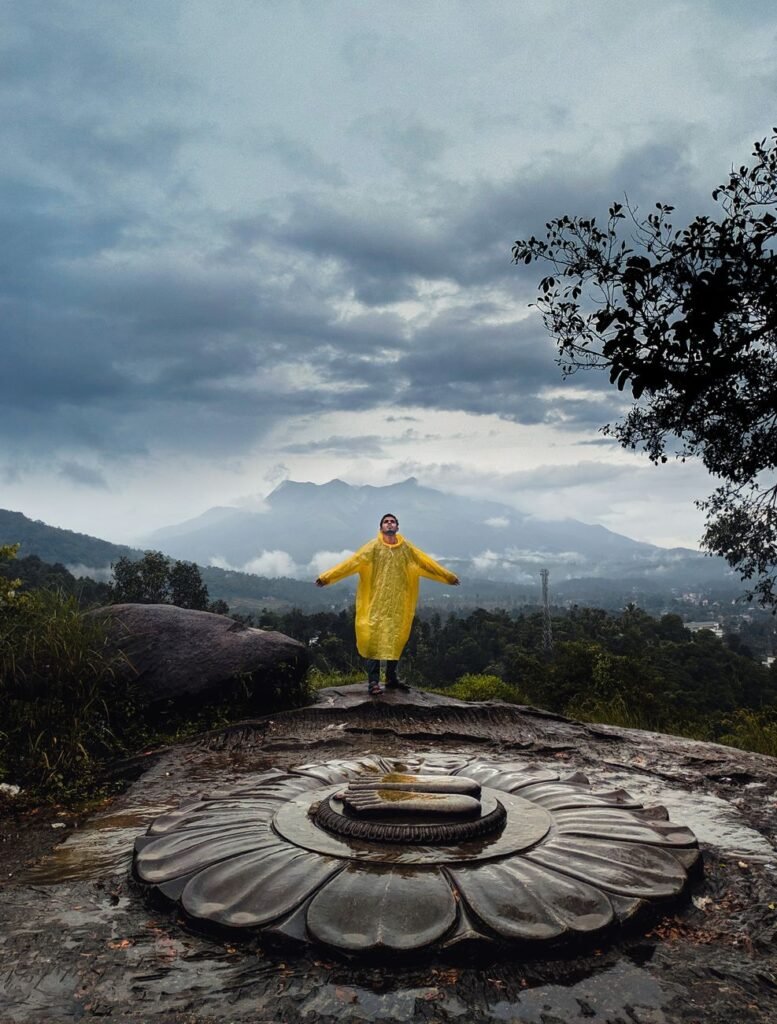
Alright, so you’ve heard the whispers, haven’t you? Tales of Wayanad in the monsoon, the kind that paint pictures of emerald hills, mist-kissed valleys, and waterfalls roaring to life. It’s all true, every single bit of it. Wayanad during the rainy season isn’t just beautiful; it’s an experience. The air smells like fresh earth and wet leaves, and the greenery is so vibrant it practically vibrates.
But then, there’s often a follow-up whisper, a slight pause, and a mention of… leeches. *Gasp!* Yeah, I know. The word itself can send a shiver down your spine. For a lot of folks, this tiny detail is enough to reconsider a trip during the very season that makes Wayanad truly otherworldly. And that, my friends, would be a real shame.
As a seasoned backpacker who’s been around the block (and through more than a few leech-filled jungles), I’m here to tell you that these little creatures are not the monsters of your nightmares. They’re just a part of the vibrant, wild ecosystem, especially when the rains come. And with a few simple, street-smart tricks, you can absolutely enjoy Wayanad’s monsoon glory without turning into a snack.
Understanding Our Squiggly Friends: Wayanad Leeches Monsoon Edition
First off, let’s demystify these guys. Leeches in Wayanad are primarily terrestrial leeches, meaning they hang out on land, usually in damp, leafy undergrowth. They’re not the blood-sucking fiends from horror movies; they’re pretty small, usually dark brown or black, and actually quite delicate. They thrive in humidity and moisture, which is why the monsoon brings them out in droves. They’re essentially nature’s clean-up crew, doing their thing in the ecosystem.
When you’re trekking through a rainforest, especially after a good downpour, you’re entering their turf. It’s like walking into someone’s living room – you expect to see the residents, right? They’re not aggressive; they’re just looking for a meal, and warm-blooded creatures like us fit the bill perfectly. They latch on, have a quick drink, and drop off when they’re full. No drama, no fuss, usually no pain.
Vivek’s Essential Do’s: Gear Up Smart, Explore Freely
So, how do we coexist with these tiny residents and still have an epic adventure? It’s all about smart preparation and a calm attitude. Think of it as gearing up for a gentle skirmish, not a war.
The Wardrobe Wizardry
- Long and Strong: This is your first line of defense. Wear long pants and full-sleeved shirts. Light-colored clothing is a bonus – it makes spotting them easier before they get too cozy.
- Tuck it In: Crucial step! Tuck your pants into your socks. Yes, you might look a bit dorky, but trust me, it’s far better than having a leech crawl up your leg. This creates a barrier they’ll struggle to breach.
- Footwear First: Ditch the sandals and open shoes. Go for closed-toe shoes or hiking boots. The more coverage, the better. Waterproof is a huge plus for monsoon trekking anyway!
Repellent Rascals: What Actually Works
- Salt is Your Pal: Carry a small pouch of salt. It’s cheap, effective, and readily available. If a leech latches on, a pinch of salt makes it detach instantly.
- Tobacco Power: A bit old-school, but ground tobacco mixed with water to form a paste, applied around your ankles and shoes, can deter them.
- Turmeric Trouble: A paste of turmeric and water can also be effective as a natural repellent if applied to exposed skin.
- DEET Debate: If you’re really squeamish, a good insect repellent with DEET can create a chemical barrier. But honestly, I’ve found the simpler methods work just fine and are kinder to your skin and the environment.
Trail Tactics: Be Aware, Not Paranoid
- Path Prowess: Stick to clear paths. Leeches love lurking in dense undergrowth, so avoid brushing against wet leaves and branches unnecessarily.
- Regular Checks: Every 20-30 minutes, especially if you stop, do a quick visual check of your shoes and lower legs. It’s much easier to flick them off before they’ve had a chance to properly latch.
- The “Leech Dance”: If you feel something, don’t panic. Just stop, check, and flick. A quick pat-down can often dislodge them before they get a grip.
Post-Bite Protocol: No Drama, Just Clean Up
- Safe Removal: If one latches, don’t pull it off! This can leave part of its jaw embedded, which can lead to infection. Instead, sprinkle salt on it, or gently scrape it off with a fingernail, credit card, or stick at the point of attachment.
- Clean and Care: Once it’s off, clean the bite area thoroughly with antiseptic or soap and water. They release an anticoagulant, so it might bleed a little, but it’s usually minor. A small plaster will do the trick.
Vivek’s Golden Don’ts: Avoid the Rookie Mistakes
Just as important as knowing what to do, is knowing what *not* to do. Trust me, I’ve seen enough travelers make these blunders.
- Don’t Panic: Seriously, this is number one. A leech bite is not painful, not dangerous (unless you have a rare allergy), and certainly not worth ruining your trip over. Calmness is key.
- Don’t Pull: As mentioned, this is the worst way to remove them. It’s like trying to get a sticker off by ripping it – messy and potentially problematic.
- Don’t Walk Barefoot: Ever. Not even for a second, especially near water or in damp areas. Your feet are prime real estate for these guys.
- Don’t Assume: Don’t assume a patch of dry ground is leech-free. They can be surprisingly mobile and patient. Always be mindful, especially if you’ve just crossed a wet patch.
- Don’t Overthink: While preparedness is good, obsessing about leeches will detract from the experience. Acknowledge their presence, take precautions, and then focus on the breathtaking beauty around you.
Summary: Wayanad’s Monsoon is Worth Every Squiggle!
Look, I get it. The idea of leeches isn’t exactly a dream vacation ad. But trust a guy who’s walked through jungles all over this planet: the minor inconvenience of managing leeches in Wayanad during monsoon is a tiny price to pay for the sheer, unadulterated magic you’ll experience. The waterfalls are gushing, the tea plantations are a deeper green than you thought possible, and the mist rolling over the hills is something you’ll remember forever.
Wayanad in the monsoon is a feast for the senses, a photographer’s dream, and an adventurer’s paradise. Don’t let a few tiny, harmless invertebrates deter you from one of the most incredible travel experiences India has to offer. Pack smart, stay calm, and embrace the wild side. You’ll be talking about those emerald views, not the leeches, for years to come.
Plan your Wayanad stay with wayanadinfo.com – real rooms, real adventures, one simple search.
Image by: Ink Spreader\nhttps://www.pexels.com/@ink-spreader-292689809