Wayanad Waterfalls Trek Difficulty: Which Ones Are Easy vs Hard?
Many visitors ask about Wayanad’s waterfalls. They see stunning photos and naturally wonder if reaching them requires serious trekking experience. It’s a common worry. The truth is, Wayanad has waterfalls for almost everyone, from a simple walk to a proper jungle trek. You just need to know what to expect before you go.
Are all Wayanad waterfall treks difficult, requiring special gear?
No, not all of them. This is a misconception. Wayanad’s terrain is varied. Some waterfalls are easily accessible with well-maintained paths, almost like a park visit. Others are deep inside forested areas, demanding a proper trek with a guide and suitable footwear.
The difficulty largely depends on the specific waterfall and the path leading to it. It also changes with the season. During the monsoon, even an “easy” path can become very slippery and challenging.
Always check local conditions. Don’t assume. A quick call to your homestay host or a local guide can save you trouble and ensure you pick the right waterfall for your group.
Which Wayanad waterfalls are considered easy to reach?
For those looking for a less strenuous experience, Wayanad offers a few good options. These are generally well-maintained and don’t demand extensive trekking.
- Soochipara Falls (Sentinel Rock Waterfalls): The main viewing point for Soochipara involves a walk down a paved path and steps. It’s downhill to the falls and uphill back, which can be tiring but doesn’t require technical trekking. The initial descent is about 15-20 minutes, covering roughly 500-700 meters. The path is clear.
- Kanthanpara Falls: This one is often overlooked but very accessible. It’s more of a scenic spot than a trek. You can drive quite close, and it’s a short, gentle walk to the falls. It’s suitable for families with young children or those with mobility concerns. Expect less crowd here.
- Lakkidi View Point Stream: While not a major waterfall, the streams and small cascades near Lakkidi View Point are very easy to access, often right by the roadside. It’s more for a quick stop and enjoying the fresh water, especially during monsoon.
For these, regular walking shoes are usually sufficient, but still, be mindful of slippery surfaces, especially after rain. No special gear is typically needed for the main accessible points.
Which Wayanad waterfalls involve moderate to hard trekking?
If you’re looking for more adventure and don’t mind putting in some effort, Wayanad has treks that offer a deeper immersion into nature. These require better preparation.
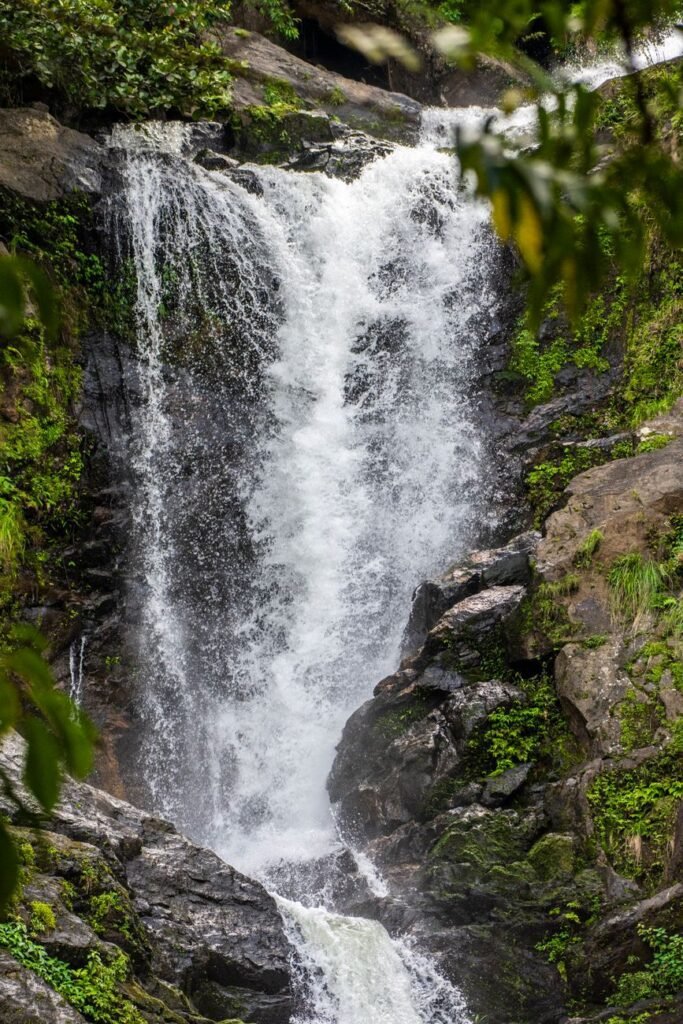
- Meenmutty Falls: This is Wayanad’s largest waterfall, falling in three tiers. Reaching the first tier involves a moderate trek, often through dense forest. To reach the upper tiers, the trek becomes considerably harder and more challenging, often involving climbing over rocks and navigating slippery paths. It’s steep in places. A local forest guide is mandatory here for safety reasons, especially beyond the first tier. The trek to the higher levels can take 2-3 hours return.
- Chethalayam Falls: Located near the Wayanad Wildlife Sanctuary, Chethalayam involves a proper forest trek. It’s not just a walk; it’s an adventure through dense woods. Entry requires permission from the Forest Department, and a guide is compulsory. The path can be uneven, rocky, and slippery, especially during or after the monsoon. This trek is for those who are reasonably fit and prepared for a genuine jungle experience. Allow 2-3 hours for the trek itself.
For these treks, sturdy, closed-toe shoes with good grip are essential. Carry water, light snacks, and a small first-aid kit. Consider trekking poles if you usually use them. Always go with an authorized guide for these harder treks; it’s non-negotiable for your safety and to protect the environment.
What precautions should I take for Wayanad waterfall treks, especially regarding guides and permits?
Safety first. Always. This is not just a suggestion, it’s a rule you must follow to have a good trip and avoid trouble.
For waterfalls like Meenmutty (beyond the first level) and Chethalayam, a local guide is mandatory. These guides are authorized by the Forest Department. They know the terrain, the wildlife, and the risks. Do not attempt to trek these routes without one. You risk getting lost, injured, or encountering wildlife without proper awareness.
Permits are also required for certain areas, especially those within or bordering forest reserves. Your guide will typically help arrange these. Never try to bypass official entry points or trek through unauthorized areas. It’s unsafe and illegal.
Check the weather. Heavy rains can make any path treacherous, cause flash floods, and increase the risk of landslides. If the forecast is bad, reconsider your plans or choose an easier, safer alternative.
Always inform someone of your trekking plans, especially if you are heading into a less-frequented area. Carry a fully charged phone, but be aware that network coverage can be spotty in remote forest areas.
When is the best time to visit Wayanad waterfalls, and what should I carry?
The best time to experience Wayanad’s waterfalls is generally during and immediately after the monsoon season, from June to October. This is when the falls are at their fullest and most powerful, truly a sight to behold. However, be aware that paths will be significantly more slippery, and leeches can be present in forested areas.
If you prefer less risk of slippery paths but still want a good flow, visiting from late October to February is ideal. The weather is cooler, the water flow is still respectable, and trekking conditions are generally better.
What to carry:
- Sturdy Footwear: Shoes with good grip are paramount. Avoid flip-flops or open sandals for anything beyond the easiest walks.
- Water: Always carry enough drinking water. Staying hydrated is crucial.
- Snacks: Energy bars or light snacks are good, especially for longer treks.
- Light Rain Gear: Even outside monsoon, a sudden shower can happen. A light poncho or rain jacket is useful.
- First-Aid Kit: Basic items like bandages, antiseptic wipes, pain relievers, and any personal medications.
- Insect Repellent: Essential, especially in forested areas.
- Power Bank: For your phone, as network can be unreliable and drains battery searching for signal.
- Camera Protection: If you’re carrying a camera, protect it from water and dust.
Dress in comfortable, quick-drying clothing. Avoid heavy denim. Be prepared to get a little wet or muddy; it’s part of the experience.
Summary – The Honest Bottom Line
Wayanad’s waterfalls offer diverse experiences. You don’t have to be an expert trekker to enjoy them, but you do need to choose wisely and prepare correctly. For a gentle experience, Kanthanpara or the main path at Soochipara are good. For a proper adventure, Meenmutty and Chethalayam offer more challenge, but remember: a guide is not optional, it’s a necessity for your safety and to respect the local environment.
Know your limits, check the conditions, and always prioritize safety over ambition. Do this, and you’ll have an unforgettable time among Wayanad’s natural wonders, leaving with good memories, not regrets.
Plan your Wayanad stay with wayanadinfo.com – real rooms, real adventures, one simple search.
Image by: Shamba Datta\nhttps://www.pexels.com/@shambadatta