Elephant Safety in Wayanad: What Tourists Should Actually Know
Oh, Wayanad! Just thinking about its lush greenery, the whisper of the breeze through the coffee plantations, and those breathtaking misty mountains makes my heart sing. As a mom of two energetic little explorers, I’m always on the lookout for destinations that offer both adventure and peace of mind. Wayanad absolutely delivers!
One of the most thrilling parts of visiting this beautiful region is knowing you’re in a truly wild place. And with wild places, sometimes come wild inhabitants – our magnificent elephants. Now, I know what you might be thinking: “Elephants? Are they safe? What if we encounter one?” These are completely valid questions, especially when you’re planning a family trip. But please, don’t let any worries dim your excitement for Wayanad.
With a little preparation and respect for nature, encountering elephants in Wayanad can be an awe-inspiring, safe, and truly unforgettable experience for the whole family. I’ve done my research, planned our trips down to the last detail, and I’m here to share everything I’ve learned to help you feel confident and ready for your Wayanad adventure!
Your Practical Guide to Wayanad Elephant Safety
Here’s my step-by-step guide to understanding and coexisting with our gentle giants in Wayanad:
-
Understand Wayanad’s Wild Heart
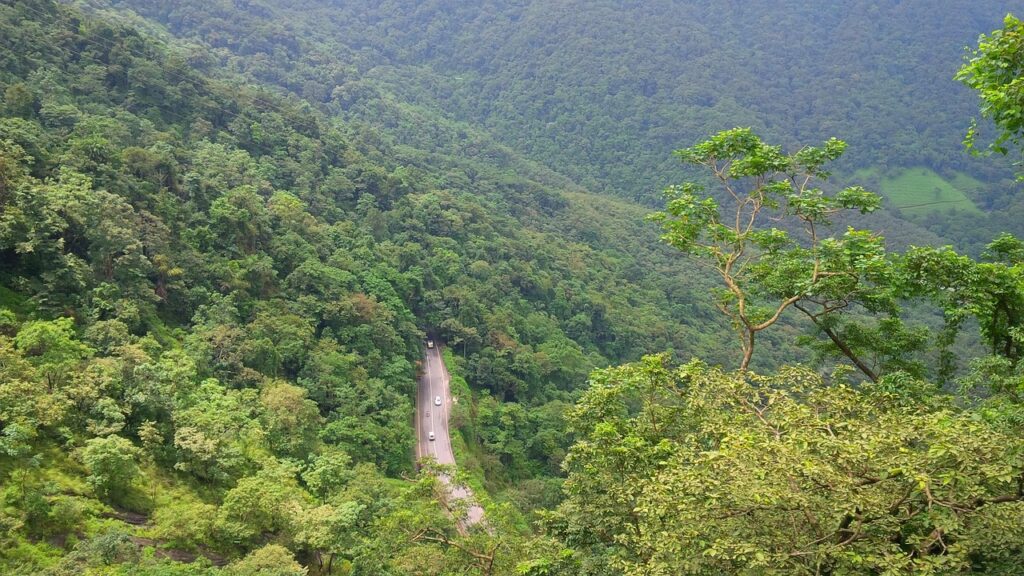
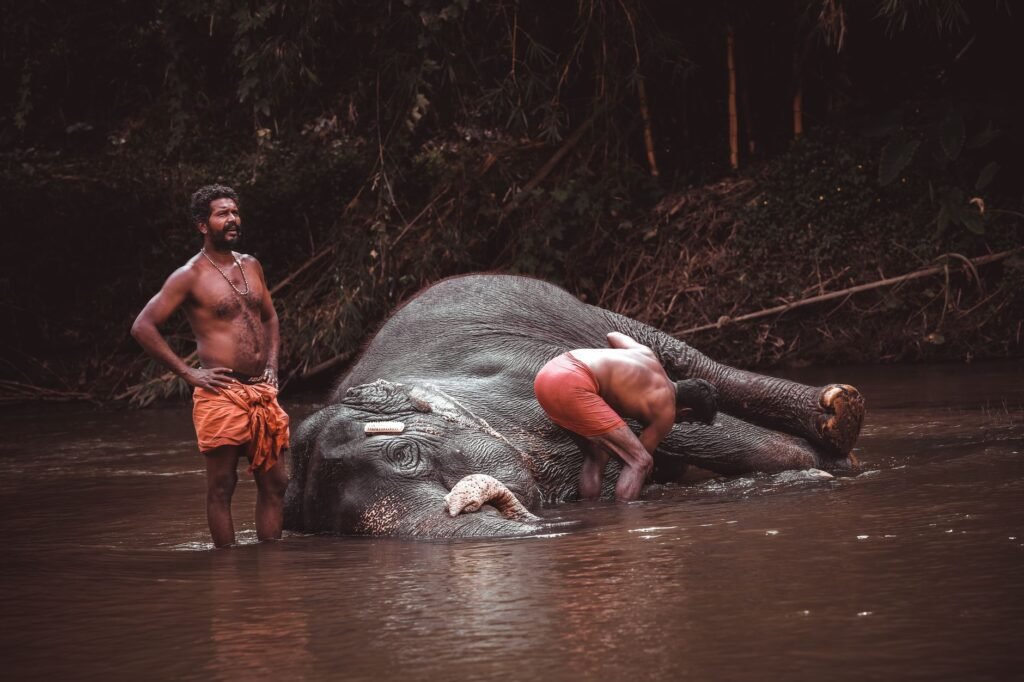
First and foremost, it’s important to remember that Wayanad is part of a larger biodiversity hotspot. This means a rich variety of wildlife, including wild elephants, call this home. They roam free in the forests, and sometimes, their paths might cross with ours, especially near forest fringes, plantations, or even roads. It’s their home we’re visiting, so understanding and respecting their natural behavior is key. Not every elephant you see will be a wild one; some are domesticated and used for work or at temples, but our focus here is on the wild ones.
-
Always Go with a Reputable Guide for Forest Activities
This is my golden rule for any wildlife exploration, especially when you have little ones! If you’re planning a jungle trek, a jeep safari, or any activity that takes you into forested areas, always, always, always go with an experienced, licensed local guide. These guides know the terrain, understand elephant behavior, and can spot signs of their presence long before you or I ever could. They know how to react calmly and safely, ensuring everyone’s well-being. Think of them as your personal nature navigators – absolutely invaluable for peace of mind.
-
Maintain a Respectful Distance and Stay Calm
Should you be lucky enough to spot a wild elephant during a safari or trek, the most crucial thing is to maintain a safe and respectful distance. Your guide will ensure this. Wild elephants are generally shy and will avoid humans if given space. If you encounter one, stay calm. Panicking or making sudden, loud movements can startle them. Remember, they are incredibly powerful animals, and we need to show them the respect they deserve in their natural habitat. Explain to your children beforehand the importance of staying quiet and close to you and the guide if they see an elephant.
-
Listen to Your Guide’s Instructions – They are the Experts!
Your guide’s instructions are paramount. If they tell you to stop, move slowly, or remain silent, follow their advice immediately and without question. They might instruct you to back away slowly, stay behind a particular tree, or get into a vehicle. Trust their expertise; they are trained for these situations and prioritize your safety above all else. This isn’t the time for impromptu photo ops or adventurous detours.
-
Never, Ever Feed Wild Elephants
While the idea of feeding an elephant might seem charming, it’s incredibly dangerous and detrimental to their well-being. Feeding wild animals, especially elephants, can make them associate humans with food, leading to them approaching settlements or roads more frequently. This can result in human-elephant conflict, which is something we definitely want to avoid for both our safety and theirs. Stick to observing them from a distance in their natural environment.
-
Be Extra Aware at Dusk and Dawn
Elephants, like many wild animals, are often most active during the cooler hours of dawn and dusk. If your accommodation is near a forest edge or a plantation, or if you’re driving through forested areas at these times, be extra vigilant. Keep an eye out for signs like fresh dung, broken branches, or footprints. When driving, slow down significantly. If you spot an elephant on the road, give it plenty of space. Never honk aggressively or try to rush past; be patient and wait for it to move on.
-
Choose Ethical Elephant Experiences
If your family is keen on an up-close elephant experience, I urge you to research and choose facilities that prioritize the welfare of the elephants. Look for rehabilitation centers or sanctuaries that focus on conservation and responsible interaction, rather than elephant rides or shows. Places that allow you to observe elephants in a naturalistic setting, perhaps helping with their care under strict supervision, are generally more ethical and educational for children. It’s a wonderful way to teach kids about respecting animals.
Common Mistakes to Avoid for Wayanad Elephant Safety
To ensure everyone has the best possible time and stays safe, here are a few things to steer clear of:
- Approaching Elephants for Selfies: This is a big no-no. A wild elephant is not a prop for your vacation photos. Their behavior can be unpredictable, and getting too close puts both you and the animal at risk.
- Ignoring Guide Instructions: As I mentioned, your guide is your safety net. Don’t wander off or disregard their advice, even if you think you know better. They really do have local knowledge that’s vital.
- Panicking or Running Away Loudly: If you find yourself close to an elephant, sudden movements or loud noises can be perceived as a threat. Stay calm, back away slowly, and follow any instructions.
- Assuming All Elephants Are Tame: Even domesticated elephants can be unpredictable. Treat all elephants with caution and respect, never assuming they are docile just because they are accustomed to humans.
- Traveling Alone at Night in Remote Areas: If you’re staying in an isolated spot, avoid walking alone in poorly lit or forested areas after dark. Stick to well-traveled paths and always inform someone of your whereabouts.
Summary
Wayanad truly is a magical place, bursting with natural beauty and incredible wildlife. By simply being aware, respecting the local environment and its inhabitants, and trusting the wisdom of experienced local guides, you can ensure your family’s trip is not only safe but also filled with unforgettable moments of wonder. Encounters with elephants, when handled responsibly, can be one of the most magnificent highlights of your Wayanad adventure. So, pack your bags, prepare to be amazed, and get ready for a truly enriching experience!
Plan your Wayanad stay with wayanadinfo.com – real rooms, real adventures, one simple search.
Image by: Ink Spreader\nhttps://www.pexels.com/@ink-spreader-292689809