Tea Estates of Wayanad: Where to Walk Among the Green Hills
If you come to Wayanad and don’t spend time among the tea estates, you’re missing a big part of what makes this place special. People talk about the waterfalls and the peaks, and yes, they are there. But the green, rolling carpets of tea, they are the heart of Wayanad. This is where much of our livelihood comes from, and it’s where you find a quiet beauty that stays with you long after you leave.
I’ve walked these paths my whole life. There’s a particular smell to the tea bushes in the morning, a mix of fresh leaves and damp earth, that you won’t find anywhere else. It’s an experience that needs to be done right, with respect for the land and the people who work it, and with a bit of common sense.
Why the Tea Estates Matter
Tea cultivation isn’t just a pretty sight here; it’s our history and our future. British planters started these estates many years ago, and since then, generations of local families have worked the land. When you see the tea pickers, moving with practiced ease, understand that this is hard work. They spend their days carefully plucking the two leaves and a bud, which is what makes good tea.
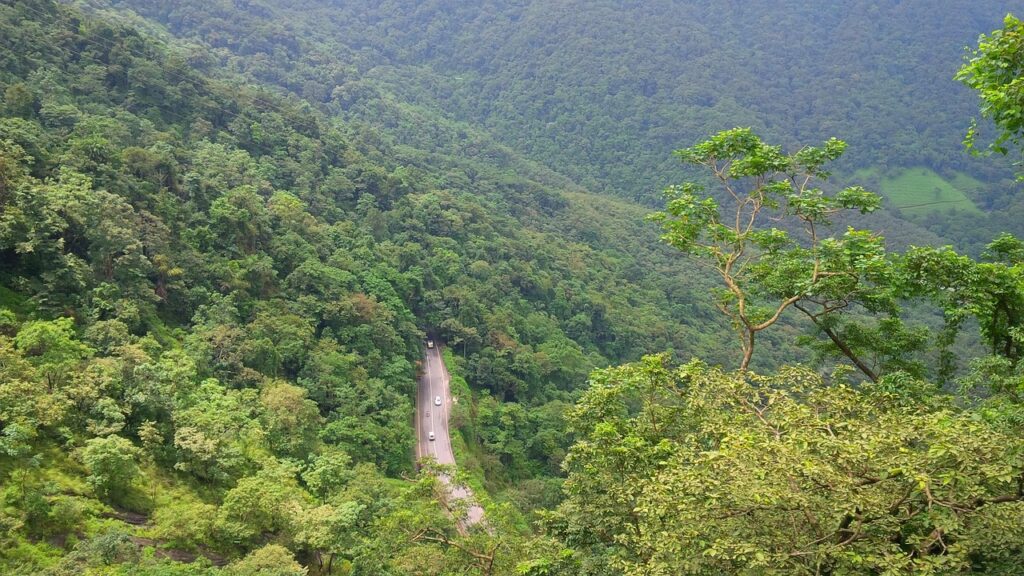
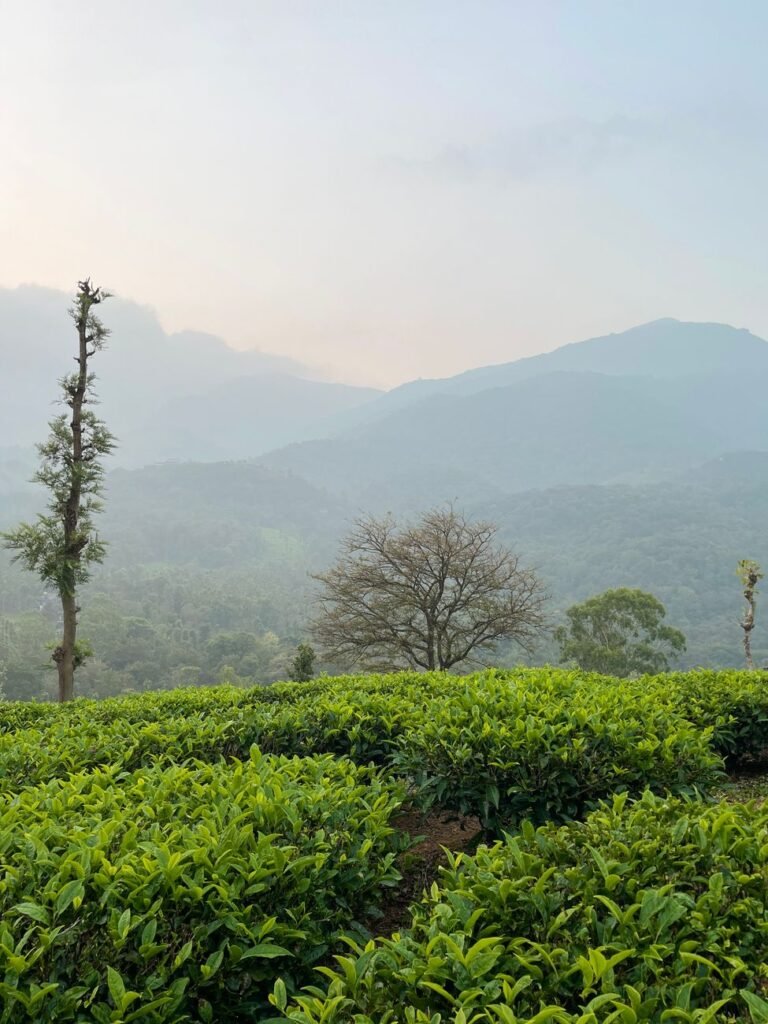
The climate in Wayanad, with its good rainfall and cool temperatures, is perfect for growing tea. That’s why you see these vast stretches of green everywhere you go, especially in the central and southern parts of the district. It’s a carefully managed landscape, not wild jungle, but it offers its own kind of tranquility.
Where to Go and What to See
You’ll find prominent tea estates mostly around areas like Vythiri, Meppadi, and the foothills leading up to Chembra Peak. These are good starting points.
Around Vythiri, many resorts are actually built within or adjacent to tea estates, offering easy access. If you are staying there, ask your accommodation provider about access. Near Meppadi, the landscapes are vast. Roads wind through them, and you can often pull over safely to take in the views.
For a structured experience, some larger estates, like those managed by Harrisons Malayalam or AVT, occasionally offer guided tours of their plantations and factories. It’s not always guaranteed, so it’s best to inquire locally once you arrive or through your accommodation. A guided walk gives you insight into the process, from bush to cup. Otherwise, simply finding a quiet road that cuts through the estates is often enough for a peaceful walk.
Getting Around Safely and Smartly
Walking through tea estates is enjoyable, but you need to be prepared. Here are my recommendations:
- Footwear: Always wear sturdy, closed-toe shoes. The paths can be uneven, muddy, and slippery, especially after rain. Sandals are not advisable.
- Weather: The best time for a walk is usually in the morning, before the sun gets too strong, or in the late afternoon. Wayanad weather can change quickly. Carry a light raincoat or an umbrella, even if the sky looks clear. Mist can roll in fast, and so can a sudden shower.
- Leeches: This is important. During and immediately after the monsoon, leeches are common in damp areas. Carry a small container of salt or tobacco paste. If a leech attaches, don’t pull it off; apply salt directly, and it will drop. Checking your legs regularly is a good habit.
- Respect the Workers: You will see people working. Do not disturb them. They are doing their job. A polite nod or smile is fine, but do not interrupt their work for photos without permission. Never pick tea leaves yourself; it’s their livelihood.
- Photography: The views are stunning. Take your pictures, but be mindful of your surroundings and the people.
- Stay on Paths: Stick to established paths or roads. Do not wander deep into the bushes; it’s easy to get disoriented, and you might disturb the plants or the wildlife.
- Waste: Carry all your waste back with you. Do not litter the estates. Keep Wayanad clean.
- Timings: Most estates are working areas. Avoid walking through them very early before sunrise or late after sunset. Daylight hours are generally safe and appropriate.
Best Time to Visit
The ideal time to explore the tea estates is from October to May. After the monsoon (which is June to September), the entire landscape is refreshed, and the green is incredibly vibrant. The weather during these months is generally pleasant, with cooler temperatures, making it comfortable for walking.
During the monsoon, while the estates are at their greenest, heavy rains can make walking difficult and increase the presence of leeches. Roads might also be slippery. If you visit then, be extra cautious and dress appropriately.
A Local Tip
Here in Wayanad, we have a saying: “Pulariyil thullum ilayude niram, athu kandaal manassinu kulir.” It means, “The color of the leaf that bounces in the morning dew, seeing that brings coolness to the mind.” It’s a reminder that the true beauty is in the freshness, the simple, clean green that greets the day.
Beyond the Walk: Tea Tasting and Buying
While factory tours are not always readily available at every estate, many local shops and some resorts will offer tea tasting experiences. This is a good opportunity to learn about the different grades and types of tea produced here. Always try to buy your tea directly from local stores or reputable outlets; you’ll get fresh, authentic Wayanad tea this way. It makes for a good souvenir, a little bit of Wayanad to take home with you.
Summary
Walking through the tea estates of Wayanad is more than just a sightseeing trip; it’s an immersion into the very soul of this region. It offers peace, stunning visuals, and a glimpse into the industrious spirit of our people. Come prepared, be respectful, and take your time. You’ll find the experience to be truly rewarding, a memory as refreshing as a cup of Wayanad tea itself.
Plan your Wayanad stay with wayanadinfo.com – real rooms, real adventures, one simple search.
Image by: IZN\nhttps://www.pexels.com/@izn-2160398663