
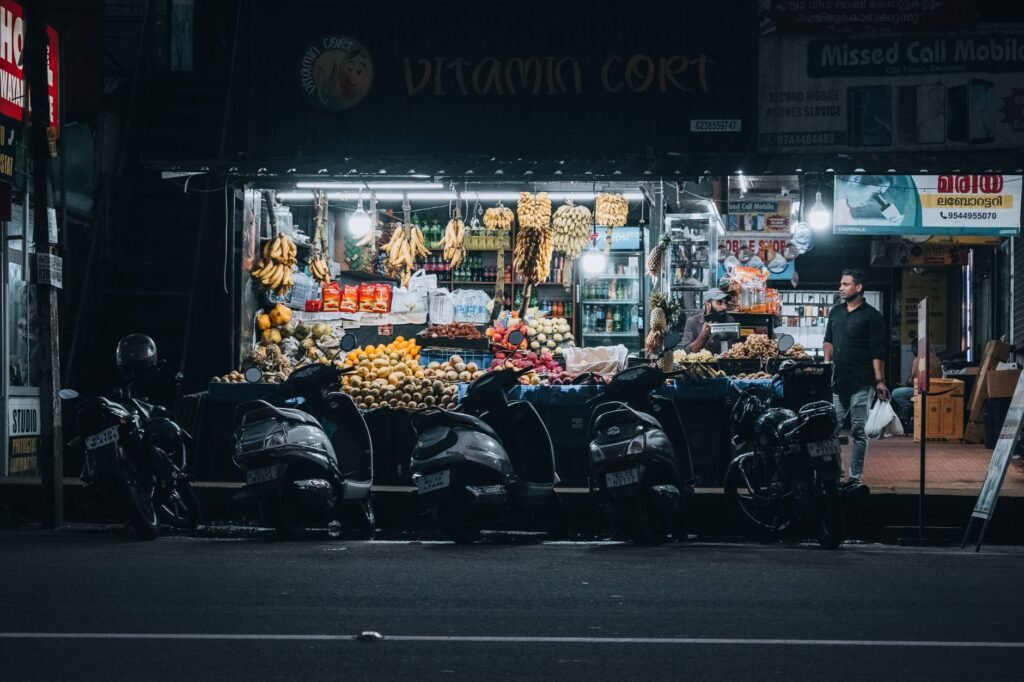
Wayanad Local Food You Must Try (and a Few You Can Skip)
If you’re coming to Wayanad, you’ll want to eat well. Good food is part of the experience. But like any place, knowing what to look for and what to be careful with will make your trip smoother. This isn’t a place for fancy fusion, it’s for honest, robust flavors. Here’s what you need to know about Wayanad local food to enjoy your meals without issues and get your money’s worth.
Wayanad’s cuisine is rooted in its agrarian landscape and tribal heritage. Expect dishes that are fresh, often spicy, and made with local ingredients like rice, coconut, tapioca, and a variety of regional spices. The food here is designed to give you energy for exploring, not just to look pretty. Focus on authentic local eateries for the best experience.
Do’s – What to Eat
- Do try Puttu and Kadala Curry for breakfast. This is a staple for a reason. Puttu is a steamed rice cake, usually cylindrical, layered with grated coconut. It’s light but filling. Kadala Curry is a thick, spicy black chickpea curry that pairs perfectly with the puttu. It’s a common and safe breakfast choice at most local tea shops and small restaurants. Expect to pay around 50-70 rupees for a generous plate. It’s a clean, wholesome start to your day.
- Do seek out Bamboo Biryani. This is a unique Wayanad local food specialty, especially in areas closer to tribal communities. Rice, meat (usually chicken or beef), and spices are cooked together inside a bamboo stalk over an open fire. The bamboo infuses a distinct aroma and flavor. It’s an authentic experience. Look for it at specialty restaurants or during local festivals. Always ensure it’s freshly prepared.
- Do enjoy Appam with Stew or Egg Roast. Appam is a soft, lacy, bowl-shaped pancake made from fermented rice batter and coconut milk. It’s crispy at the edges and soft in the middle. It goes excellent with a mild vegetable stew (ishtu) or a spicy egg roast. This is a versatile dish, good for breakfast or dinner. You’ll find it widely available in most local eateries. It’s a comforting and reliable choice.
- Do try authentic Kerala Sadya if you are here for a festival or special occasion. Sadya is a traditional feast served on a banana leaf, featuring a multitude of vegetarian dishes including rice, sambar, avial, thoran, pachadi, pickles, and payasam. It’s a complete culinary experience and a great way to taste many different Wayanad local food items at once. It’s usually served for lunch. For a proper Sadya, look for dedicated restaurants or homestays that advertise it.
- Do try local Fish Curry if you find a reputable place. While Wayanad isn’t coastal, freshwater fish from local rivers and reservoirs are common. The fish curries here are typically prepared with coconut milk and a blend of local spices, giving them a distinct flavor. Ask locals for recommendations for places known for fresh catches. A well-cooked fish curry with steamed rice is a satisfying meal.
- Do drink fresh tender coconut water. It’s hydrating, refreshing, and widely available at roadside stalls. It’s always a safe and healthy option, especially during warmer parts of the day. You can’t go wrong with fresh coconut water.
Don’ts – What to Skip (or Be Cautious With)
- Don’t trust just any roadside stall for seafood. Wayanad is inland. Seafood, especially anything that isn’t freshwater fish, has to travel. Unless you see a very high turnover and clear signs of proper cold storage and hygiene, it’s best to stick to local inland specialties. The risk of stale seafood is higher, and you don’t want your trip interrupted by food poisoning.
- Don’t drink tap water. This is a standard precaution everywhere you travel in India. Always stick to bottled mineral water. Check the seal before opening. Even for brushing your teeth, use bottled water. Your stomach will thank you for it.
- Don’t assume all “Chinese” or “North Indian” food will be authentic or good. Many smaller towns have restaurants offering these cuisines, but they are often adapted to local palates and might not meet your expectations for taste or hygiene. If you want Wayanad local food, stick to it. If you crave something else, choose established, well-reviewed places in larger towns like Kalpetta or Sulthan Bathery.
- Don’t ignore basic hygiene. Before eating, always wash your hands thoroughly or use hand sanitizer. Observe the cleanliness of the eating establishment. Look at the tables, the cutlery, and how the food is handled. A clean environment is a good indicator of a clean kitchen.
- Don’t overindulge in very spicy food if you’re not used to it. Wayanad local food can be quite spicy, especially the curries and gravies. If you have a sensitive stomach, ask for milder versions or start with less spicy options. You can usually ask for “less spicy” (“kurachu erivu” in Malayalam), but confirm they understand. Enjoy the flavors, but don’t challenge your system unnecessarily.
Best Time to Experience This
Wayanad’s food can be enjoyed year-round. However, the post-monsoon months from October to February offer the most pleasant weather for exploring and eating. During this time, local produce is abundant, and outdoor dining, where available, is more comfortable. Festivals like Onam and Vishu are also great times to experience traditional feasts like Sadya.
Local Tips
When you’re out looking for Wayanad local food, don’t be afraid to ask locals for recommendations. A small, unassuming eatery packed with local families is often the best sign of good, authentic food. These places usually offer the best value and the freshest ingredients. Also, remember that many local places close relatively early for dinner, around 9:30 PM. Plan your meals accordingly. Always carry small denominations of cash, as many smaller establishments might not accept digital payments.
If you’re staying at a homestay, ask your hosts if they can prepare local dishes for you. This is often the best way to get truly homemade, authentic Wayanad food, prepared with care and fresh ingredients from their own gardens or local markets. It’s an experience that’s hard to beat.
Summary
Wayanad offers a rich culinary journey if you know where to look. Focus on the traditional, home-style dishes like Puttu and Kadala Curry, Bamboo Biryani, and Appam. Be mindful of hygiene and sensible choices, especially regarding water and non-local cuisines. By following these simple Do’s and Don’ts, you’ll not only enjoy delicious Wayanad local food but also stay healthy and make the most of your trip. Eat well, explore safely, and enjoy the authentic tastes of Wayanad.
Plan your Wayanad stay with wayanadinfo.com – real rooms, real adventures, one simple search.
Image by: General Kenobi\nhttps://www.pexels.com/@jetkerim