Wayanad Waterfalls Safety: Embracing the Monsoon’s Grandeur Responsibly
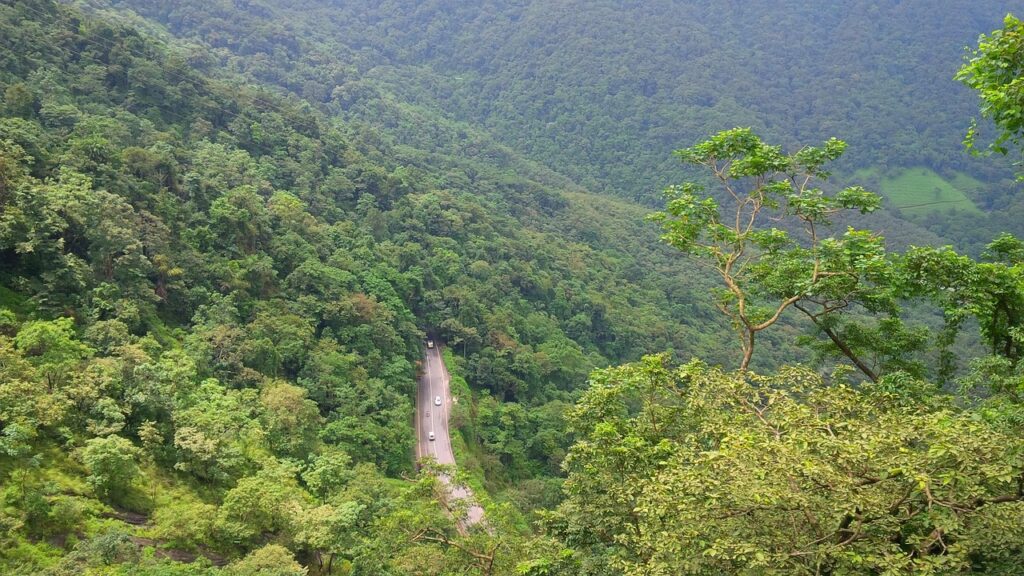
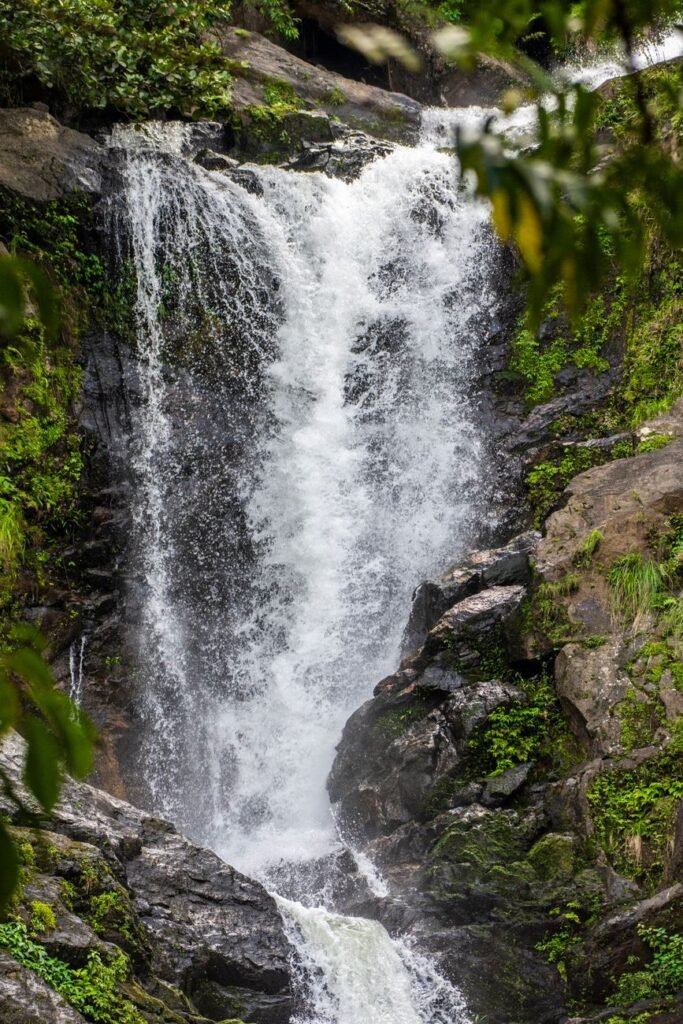
There is a certain magic that descends upon Wayanad when the monsoon clouds gather, painting the skies in dramatic hues of grey and unleashing their bounty upon our verdant hills. The entire landscape awakens, transforming into a symphony of greens, and nowhere is this transformation more evident, more exhilarating, than at our waterfalls. They swell with life, roaring down ancient rock faces, a testament to nature’s raw power and ethereal beauty. Yet, like any magnificent force, they demand our respect and understanding. This guide will help you navigate the thrilling beauty of Wayanad’s monsoon waterfalls safely, ensuring your memories are of wonder, not worry.
Navigating Wayanad’s Monsoon Waterfalls: A Practical Guide
-
Understand the Monsoon’s Power in the Hills
When the southwest monsoon embraces Wayanad, it’s not just a gentle shower; it’s a profound annual ritual that reshapes our land. The streams that trickle softly in summer become formidable rivers, and our waterfalls, usually elegant curtains of water, transform into thundering cascades. This dramatic shift is beautiful to behold, but it also means vastly different conditions underfoot and around the water bodies. The land, saturated and alive, demands a different kind of vigilance.
-
Why Some Waterfalls Close During Monsoon
It can sometimes be a disappointment to arrive at a waterfall and find it temporarily closed to visitors. However, these closures are implemented with your safety at heart, based on the intimate knowledge of the local authorities and forest department. During heavy rains, the risk of flash floods dramatically increases, especially in the narrow gorges and steep paths leading to many waterfalls. Rocks become incredibly slippery, sometimes dislodged, and the sheer volume of water can create dangerous undercurrents. It’s a measure not to deny you beauty, but to preserve your well-being against the unpredictable whims of nature.
-
Always Check Local Conditions Before You Go
Before setting out on your waterfall adventure, always make it a point to check the current status of the sites. Reliable information can be obtained from the local District Tourism Promotion Council (DTPC) office, the Forest Department, or trusted local sources like wayanadinfo.com. Our aim is always to provide up-to-date information, reflecting the ground reality. A quick call or check can save you a wasted journey and, more importantly, ensure you only visit sites deemed safe for exploration.
-
Stay Strictly on Marked Paths and Heed Warning Signs
Wayanad’s charm lies in its wildness, but this wilderness has its own rules. When visiting waterfalls, whether during monsoon or other seasons, always stick to the designated paths. These routes are established not just for your convenience but for your safety, guiding you away from unstable cliffs, slippery slopes, and hidden hazards. Any sign – be it a barricade, a written warning, or a verbal caution from a local guide – is there for a reason. Respecting these boundaries is paramount; they are echoes of generations of local wisdom about the land.
-
Dress Appropriately and Wear Sturdy Footwear
Your attire can make a significant difference to your comfort and safety. Choose light, quick-drying clothing that allows for easy movement. Most crucially, invest in sturdy, waterproof, and slip-resistant footwear. Regular sandals or smooth-soled shoes are an invitation to slips and falls on the wet, moss-covered rocks and muddy trails characteristic of the monsoon. Good grip is your best friend when navigating the vibrant, yet often slick, terrain around Wayanad’s waterfalls.
-
Embrace Local Wisdom and Guidance
The people of Wayanad have lived in harmony with these hills for centuries, understanding the rhythms of the land and the moods of the monsoon. If you encounter local villagers or guides, listen to their advice. Their insights into specific trails, current water levels, and safe viewing spots are invaluable. Many local communities hold a deep, almost spiritual, reverence for the rivers and waterfalls, seeing them as arteries of life, and their caution comes from a place of profound respect for nature’s power.
Common Mistakes to Avoid for Wayanad Waterfall Safety
- Ignoring Warning Signs and Barriers: This is perhaps the most critical error. Signs indicating “No Entry,” “Dangerous Area,” or “Slippery Path” are not mere suggestions; they are vital warnings based on real risks. Respect them.
- Venturing Off Designated Paths: The allure of a unique photo or an unexplored viewpoint can be strong, but straying from marked trails can lead you into precarious situations, including hidden drops, unstable ground, or encounters with wildlife.
- Underestimating Water Flow and Current: Monsoon-fed waterfalls carry immense power. Even seemingly calm edges can conceal strong undercurrents or sudden surges. Never attempt to swim or wade in restricted or clearly dangerous areas.
- Visiting Unapproved or Unsupervised Spots: Stick to the well-known, government-managed waterfall sites. Unofficial spots might lack basic safety infrastructure, emergency services, or up-to-date information on conditions.
- Relying Solely on Outdated Information: What was safe last season, or even last week, might not be safe today, especially during the dynamic monsoon. Always seek current, real-time updates.
Summary
Wayanad’s monsoon waterfalls are a magnificent spectacle, a dance between raw power and exquisite beauty that draws visitors from far and wide. To witness their grandeur is to feel truly alive, immersed in the heart of nature. By understanding the unique challenges of the monsoon season and adhering to simple, practical safety measures, you can ensure your visit is filled with awe-inspiring moments and cherished memories, free from preventable mishaps. Embrace the magic, respect the power, and let the cascades of Wayanad enchant you safely.
Plan your Wayanad stay with wayanadinfo.com – real rooms, real adventures, one simple search.
Image by: Shamba Datta\nhttps://www.pexels.com/@shambadatta