Wayanad’s Best Trekking Guides: Do You Really Need One, and How Do You Choose Safely?
Many travelers come to Wayanad wanting to explore our beautiful hills and forests. They see pictures online and think they can just head out. But Wayanad’s trails aren’t always straightforward. There are common questions about trekking guides, and it’s important to get the facts straight before you lace up your boots. I’m Rajesh, and I’ve been guiding here for years. My main concern is your safety and ensuring you have a good, honest experience without trouble or wasted money.
Do I Really Need a Trekking Guide in Wayanad? Can’t I Go Alone?
Listen, for almost all the worthwhile treks in Wayanad, yes, you absolutely need a guide. This isn’t just a suggestion; it’s often a requirement by the Forest Department. Places like Chembra Peak, Pakshipathalam, and even many parts of the Wayanad Wildlife Sanctuary are protected areas. Entry is regulated, and going without an authorized guide can lead to fines, or worse, put you in danger.
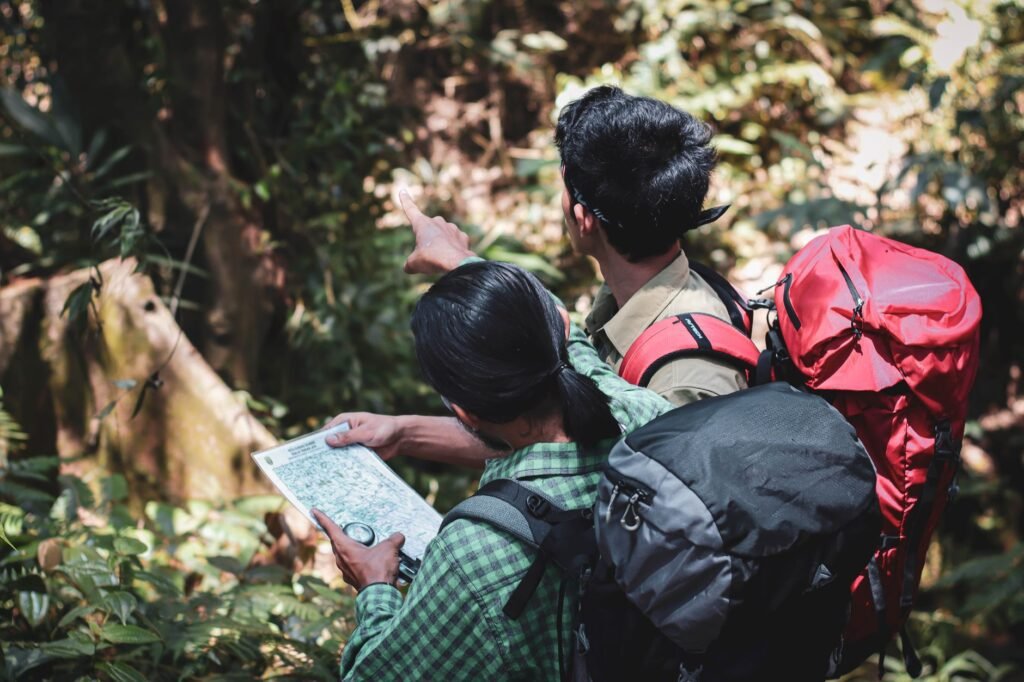
Beyond the rules, think about safety. Our forests are home to wildlife, including elephants and leopards. Trails can be indistinct, weather can change fast, and it’s easy to get lost, even for experienced hikers unfamiliar with the local terrain. A local guide knows the paths, the wildlife behavior, and how to handle emergencies. Don’t gamble with your safety here.
How Do I Find a *Good*, Trustworthy Trekking Guide?
This is where many people go wrong. Not every local offering to show you around is a qualified guide. A good guide isn’t just someone who knows the way; they are your safety net and your local expert. Here’s what to look for:
- Forest Department Authorization: The best guides are usually associated with the Forest Department or recognized eco-tourism initiatives. They have undergone training and are officially licensed. Ask for their ID.
- Experience and Local Knowledge: A good guide knows the flora, fauna, history, and local stories. They can point out things you’d never see on your own. Ask them about the trail – its difficulty, duration, and what you might encounter.
- Safety First: They should talk about safety upfront. Do they carry a first-aid kit? Do they know emergency procedures? Are they checking weather conditions? A responsible guide prioritizes your well-being.
- Communication: Ensure they speak a language you understand well enough (English, Hindi, Tamil, Kannada are common here besides Malayalam). Clear communication is vital for safety and enjoyment.
- References/Reviews: If you are booking through a homestay or resort, ask about their guides. Look for guides with positive reviews, though always take online reviews with a grain of salt and cross-reference.
What Should I Expect to Pay for a Wayanad Trekking Guide? And How Do I Avoid Overpaying?
The cost for a trekking guide in Wayanad varies depending on the trek’s difficulty, duration, and the number of people in your group. For most popular treks, the guide fees are often standardized by the Forest Department or local tourism bodies. You can expect to pay anywhere from INR 800 to INR 2500 for a half-day or full-day trek for a small group (2-4 people). This usually covers the guide’s fee and sometimes your entry permits to the protected areas. Always clarify what is included in the price.
To avoid overpaying:
- Ask for a breakdown: Before you agree, ask for the total cost and what it covers: guide fee, entry permits, any specific equipment hire.
- Book through reliable sources: Your accommodation provider (a good homestay or resort) can usually arrange guides at fair prices. They have established relationships.
- Don’t haggle aggressively: Remember, this is their livelihood. While a fair price is important, understand that guides often work hard for these rates.
- Beware of too-low prices: If a price seems too good to be true, it probably is. You might end up with an unqualified guide who compromises your safety or delivers a poor experience.
Are Guides Necessary Even for Easier Treks, or Just the Difficult Ones?
My advice is consistent: if you’re heading into any natural, forested, or hilly area beyond a well-marked, public path, a guide is prudent. Even what locals consider an “easy” walk can present challenges to someone unfamiliar with the terrain. For example, a seemingly simple path could become slippery after rain, or you might unexpectedly encounter local wildlife like wild boars or a lone elephant.
Even on trails that don’t require Forest Department permits, a guide offers invaluable local insight. They can show you medicinal plants, identify bird calls, and tell you about the local culture. More importantly, they know the quickest way back if someone in your group gets tired or unwell. Don’t underestimate the unpredictable nature of our environment, regardless of the perceived difficulty.
What Specific Questions Should I Ask My Guide Before We Start Trekking?
Always have a short chat with your guide before you set off. It ensures you’re on the same page and builds trust. Here are some essential questions:
- What is the exact route we will take? Understand the start point, end point, and any significant stops.
- How long will the trek take, approximately? This helps you manage your time and hydration.
- What is the difficulty level? Get an honest assessment so you know what to expect physically.
- What are the potential dangers or challenges on this particular trail? (e.g., steep climbs, leeches, particular wildlife sightings).
- What should I carry? They can advise on water, snacks, appropriate footwear, and rain gear.
- What is the emergency plan? Who do we contact if there’s an injury? Where is the nearest medical help?
A good guide will appreciate these questions. It shows you are taking the trek seriously, and it allows them to properly prepare and inform you.
Summary: The Honest Bottom Line
Trekking in Wayanad is an incredible experience, offering stunning views and a chance to connect with nature. To truly enjoy it and stay safe, hiring a qualified local guide isn’t just a good idea; it’s often essential. A good guide provides safety, enriches your experience with local knowledge, and ensures you respect the natural environment. Don’t cut corners on this. Invest a little in a good guide, and you’ll get a memorable, safe adventure in return. It’s the smart way to explore Wayanad.
Plan your Wayanad stay with wayanadinfo.com – real rooms, real adventures, one simple search.
Image by: Baihaki Hine\nhttps://www.pexels.com/@bhine