
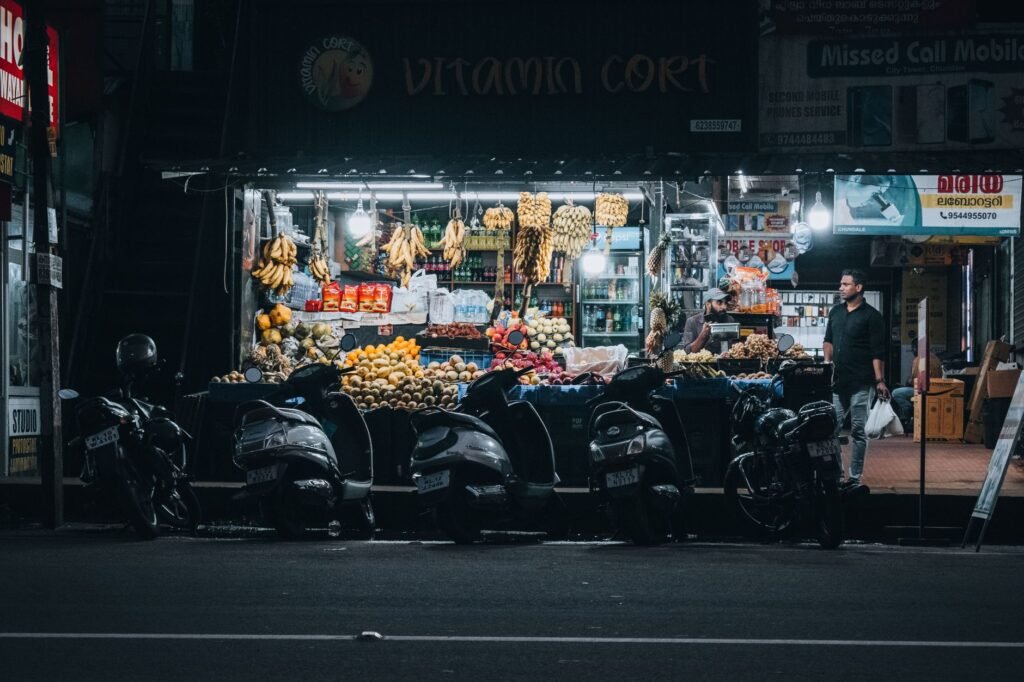
Wayanad’s Local Markets: What to Buy and What to Skip
Visiting Wayanad means more than just seeing the sights. It means experiencing the place. A big part of that experience is our local markets. This is where you find the real Wayanad – the flavors, the crafts, the daily rhythm. But like any market, ours have good deals and tourist traps. I’m Rajesh, and I’ll tell you straight: what’s worth your money, what isn’t, and how to shop smart here.
These markets are busy places. They are authentic. Don’t expect fancy air-conditioned malls. Expect noise, smells, and real people doing their daily shopping. Go in with a plan, and you’ll leave with genuine Wayanad treasures. Go in unprepared, and you might feel like you’ve wasted your time or your money.
Do’s
-
Do Buy Spices Directly from Vendors: Wayanad is spice country. Cardamom, pepper, cinnamon, cloves – these are our gold. Look for whole spices, not ground powders, unless you see them grinding it fresh. Whole spices retain their flavor longer and you can inspect their quality. Check for a strong aroma and vibrant color. Ask about the harvest season; fresher spices mean better flavor. Prices are generally better than in packaged shops outside the main market areas, but always compare a few stalls before settling. A good vendor will let you smell and feel the produce. This is not just a purchase; it’s a sensory experience.
-
Do Purchase Local Coffee and Tea: We grow excellent coffee and tea here. Look for small, independent sellers or co-operatives. They often source directly from local plantations. For coffee, ask about the roast level – light, medium, or dark. For tea, inquire if it’s black tea, green tea, or a special blend. Buying from these local sources ensures you get a fresh product and support our local farmers directly. The taste will be distinct from what you find in big chain stores. Make sure the packaging is sealed properly for freshness, especially if you’re traveling a long distance.
-
Do Look for Authentic Forest Honey: Wayanad is known for its natural forest honey. This is not your supermarket honey; it’s often darker, thicker, and has a unique flavor profile depending on the flowers the bees visited. Be cautious, though. Some vendors might try to sell you sugar syrup. Genuine forest honey will often crystallize over time and might not be perfectly clear. Ask to taste it if possible. Reputable sellers will be proud to tell you where it came from. Look for bottles that show some natural cloudiness or sediment – that’s a good sign it’s less processed. It’s excellent for health and makes a great gift.
-
Do Invest in Local Handicrafts: Our artisans create beautiful items from bamboo, wood, and natural fibers. These aren’t just souvenirs; they are pieces of our culture. Look for items like bamboo flutes, wooden carvings, woven baskets, or traditional pottery. Inspect the craftsmanship carefully. Is it well-finished? Does it feel sturdy? Buying these supports local families and keeps traditional skills alive. Don’t go for anything that looks mass-produced and imported. A genuine handcrafted item will have small imperfections – that’s part of its charm and proof it was made by hand.
-
Do Bargain Respectfully: Bargaining is a part of market culture here, but it’s not a fight. Start with a polite offer slightly lower than the asking price and be prepared to meet somewhere in the middle. Do not be aggressive or rude. Remember, a few rupees extra for you might mean a lot more to the vendor. If a price seems fair, take it. This isn’t about getting the absolute lowest price; it’s about mutual respect and fair trade. Smile, be friendly, and enjoy the interaction. If you don’t want to buy, a polite “thank you” is enough.
-
Do Carry Enough Cash: Many smaller vendors and street stalls operate purely on cash. While some larger shops might accept digital payments, relying on them everywhere will limit your options. Keep a good mix of small denominations. It makes transactions smoother and quicker, especially in crowded markets. You don’t want to miss out on a good deal because you only have a large note and the vendor can’t make change. ATMs are available in town centers like Kalpetta, Sulthan Bathery, and Mananthavady, but it’s always wise to withdraw before you head into the thick of the market.
Don’ts
-
Don’t Overpay for Generic Souvenirs: You’ll see plenty of keychains, magnets, and small trinkets that look identical to what you find in tourist spots across India. These are often mass-produced elsewhere and have no real connection to Wayanad’s local craft. They’re usually overpriced for their quality. Save your money for genuine local products instead. If you want a keepsake, choose something that reflects our unique culture and materials, like a small bamboo item or a spice packet, rather than a generic plastic memento.
-
Don’t Buy Packaged Food Items from Unknown Brands: While local snacks can be delicious, be wary of packaged food items from brands you don’t recognize or that lack proper labeling (ingredients, expiry date, manufacturing details). This is a matter of hygiene and safety. Stick to fresh produce, unpackaged spices from trusted vendors, or known local brands if you’re looking for processed foods. Your health is not worth a small risk for an unknown snack.
-
Don’t Rush Your Shopping Experience: The markets are not places to be rushed. Take your time. Wander, observe, and compare. Rushing makes you an easy target for pushy sellers, and you might miss out on hidden gems or better deals just a few stalls down. Enjoy the atmosphere. This is part of your Wayanad experience. Allow at least two to three hours for a thorough visit to a larger market like the ones in Kalpetta or Sulthan Bathery.
-
Don’t Purchase Illegally Sourced Products: This should be obvious, but it needs saying. Do not buy items made from protected wildlife (like ivory, certain animal skins, or feathers) or illegally harvested plants. It’s unethical, harms our natural environment, and can get you into serious legal trouble. If something looks suspicious or too good to be true, it probably is. Respect our biodiversity and the laws protecting it. Stick to certified, legal products.
-
Don’t Be Afraid to Ask Questions: Locals are generally friendly and helpful. If you’re unsure about a product, its origin, or how to use it, don’t hesitate to ask the vendor. Even if there’s a language barrier, a smile and some gesturing usually get the message across. It shows interest and respect. Most vendors will appreciate your curiosity and give you honest answers, helping you make an informed decision. This also helps build a connection.
-
Don’t Expect Fixed Prices on Everything: While some larger stores might have fixed prices, most smaller stalls and individual vendors in the local markets expect you to haggle. Walking away because a price isn’t immediately to your liking might mean you miss a good product. On the other hand, accepting the first price quoted without any discussion means you’ll likely pay more than necessary. Understand the local custom and engage in the polite back-and-forth.
Best Time to Experience This
The best time to visit Wayanad local markets is during the cooler months, from October to March. The weather is pleasant, making it comfortable to walk around and browse for extended periods without the intense heat or monsoon rains. Mornings, especially between 9 AM and 1 PM, are ideal. This is when the markets are freshest with produce, buzzing with local activity, and less crowded than in the late afternoon. Avoid peak afternoon hours (1 PM – 3 PM) when the sun is strongest and some vendors might be taking a break.
Local Tips
For a truly authentic market experience, head to the main bazaars in Kalpetta, Sulthan Bathery, or Mananthavady. The Kalpetta market is particularly vibrant for spices and local produce. Consider using local transport like an auto-rickshaw or a local bus to get to the markets; it’s cheaper and gives you a feel for local life. Always keep your belongings secure and be mindful of your surroundings, especially in crowded areas. If you’re buying spices or perishables, think about how you’ll transport them safely back home. Airtight containers are always a good idea. Don’t be shy to try local street food, but choose stalls that look clean and have high customer turnover for freshness.
Summary
Wayanad’s local markets offer a rich slice of our culture and a chance to bring home genuine pieces of our region. By knowing what to look for and what to avoid, you can make the most of your visit. Focus on buying local spices, coffee, tea, honey, and handicrafts. Be prepared with cash, bargain respectfully, and take your time. Avoid generic souvenirs, questionable packaged foods, and any illegal items. Follow these simple guidelines, and you’ll find that shopping in Wayanad is not just about transactions, but about real connections and memorable experiences.
Plan your Wayanad stay with wayanadinfo.com – real rooms, real adventures, one simple search.
Image by: General Kenobi\nhttps://www.pexels.com/@jetkerim